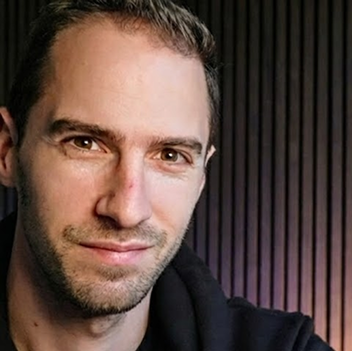
An AI avatar tool turns a script into a video of a person speaking it. You type or paste text, pick a presenter, and a few minutes later you have a clip of that presenter delivering your words — no camera, studio or reshoots. It sounds like one piece of magic, but under the hood it is three separate systems stitched together, and the quality of any tool comes down to how well those three are joined.
An AI avatar tool turns a script into a video of a person speaking it. You type or paste text, pick a presenter, and a few minutes later you have a clip of that presenter delivering your words — no camera, studio or reshoots. It sounds like one piece of magic, but under the hood it is three separate systems stitched together, and the quality of any tool comes down to how well those three are joined.
Understanding the three layers makes it much easier to judge tools, because each one fails in a different, recognisable way. Once you can name what you are looking at, the marketing reels stop being persuasive and the real differences become obvious.
The voice layer
First the tool generates the audio. Most platforms either use high-quality text-to-speech or let you clone a real voice from a short sample. Voice is roughly half of perceived realism — a flawless face paired with a robotic, flat voice still reads as fake within a second or two, which is why the leaders invest so heavily here.
The tells to listen for are unnatural emphasis, words that run together, and a complete lack of breath or micro-pauses. Cloned voices usually beat stock voices on warmth, but they amplify whatever was in your sample: record in a quiet room or that hiss gets baked into every render.
The lip-sync layer
Next, a lip-sync model predicts the shapes your mouth should make from the audio and drives the avatar to match. This is where tools separate most visibly. Small errors — a mouth that keeps moving a beat after the audio stops, lips that drift out of time on faster speech, or sync that falls apart entirely in another language — are exactly what the human eye catches first, because we spend our whole lives reading mouths.
When you evaluate a tool, watch the mouth on a sentence with hard consonants ("p", "b", "m" force the lips closed). If those closures land on the right syllables, the model is good. If the lips flutter vaguely in the right area, it is not.
The rendering layer
Finally, a rendering model animates everything that is not the mouth: blinks, head tilts, eyebrow movement, and any gestures or upper-body motion. This is the layer that decides whether an avatar feels alive or like a slightly haunted passport photo. The best tools add subtle, irregular motion; weaker ones loop the same nod every few seconds, which your brain clocks as "off" even if you cannot say why.
Where they still fail
Three things remain hard in 2026. Hands and gestures are still where realism breaks — fingers warp, and gestures rarely match the meaning of the words. Fast or emotional speech exposes the seams, because the models are trained mostly on calm, measured delivery. And non-English output is often visibly worse than the polished English demos suggest, since most training data and tuning is English-first.
That gap between the demo and your actual use case is the entire reason we render the same script through every tool and publish the raw footage. A feature list will tell you a tool "supports 100+ languages". Only the video tells you whether your language looks any good — so watch before you commit.
Tools to compare next
| Tool | Best for | From | Review |
|---|---|---|---|
| HeyGen | Teams that want the most realistic avatar with the widest feature set | $29/mo | Read review → |
| Synthesia | Enterprise L&D teams producing course and onboarding video at scale | $29/mo | Read review → |
| Argil | Solo creators building a personal brand from their own avatar | $39/mo | Read review → |
Frequently asked questions
What is the short answer from "How AI Avatar Tools Actually Work — And Where They Fail"?
An AI avatar tool turns a script into a video of a person speaking it. You type or paste text, pick a presenter, and a few minutes later you have a clip of that presenter delivering your words — no camera, studio or reshoots. It sounds like one piece of magic, but under the hood it is three separate systems stitched together, and the quality of any tool comes down to how well those three are joined.
Which AI avatar tools should I compare next?
Start with the tools linked in the comparison table on this guide, then open the matching best-of hub for a broader shortlist.
How often is this guide updated?
AvatarTester updates this guide when pricing, product limits or hands-on test data changes. The visible updated date shows the latest editorial pass.